
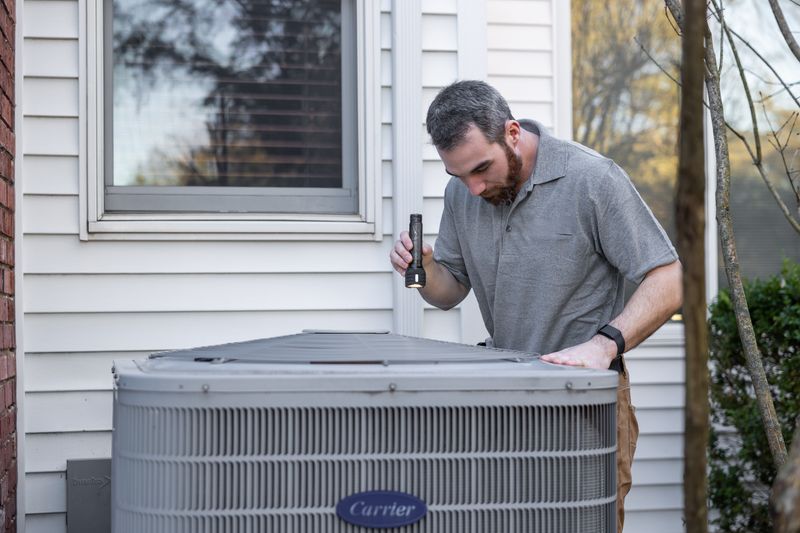
Dubai summer is not a season to be caught with a broken AC. When outdoor temperatures exceed 45°C, a failing air conditioner is not an inconvenience - it's a health and safety issue, especially for children, elderly residents and pets left indoors during the day. The good news is that almost every AC breakdown is preceded by warning signs that appear days or even weeks before the unit stops working entirely. Knowing what to look for means you get the repair done during spring on your schedule, at normal rates, rather than as a panicked emergency call-out during the hottest week of August when every technician in the city is booked solid.
Why Dubai Summers Are Especially Hard on AC Units
An AC unit in Dubai works harder, for longer, than almost anywhere else in the world. Units run near-continuously from May through September, often maintaining a 10-15°C temperature difference between outside and inside air for weeks at a time. This constant load accelerates wear on the compressor, capacitors and fan motors, while airborne desert dust clogs filters and coils far faster than in cooler, less arid climates. A component that might last fifteen years in a milder climate is realistically pushed to ten to twelve years of reliable service under Dubai conditions. That is exactly why small warning signs in spring should never be brushed aside - a system already under this much seasonal strain has very little margin for a fault left unaddressed.
Sign 1 — Weak or Warm Airflow
Put your hand in front of the AC vent. The airflow should feel strong and noticeably cold. If it feels weak, barely moving, or the air temperature is only slightly below room temperature, something is wrong. The most common causes in Dubai properties are a clogged air filter (the single most preventable cause), dirty evaporator coils covered in dust and mould, or low refrigerant gas from a slow leak.
In Dubai, where the air is laden with fine desert dust, filters clog faster than almost anywhere else. A filter that should last a month fills up in two weeks during shamal season. Clean or replace your filter first. If weak airflow persists after a clean filter, the problem is deeper - most likely a dirty coil or a refrigerant issue - and needs a technician with pressure gauges to confirm which.
Sign 2 — Unusual Noises
A properly functioning AC should be near-silent - a low hum from the compressor and a gentle rush of air from the vents. Any noise that has appeared recently or has changed in character is a warning:
- Grinding or scraping - fan motor bearings failing. Stop the unit and call a technician.
- Rattling from outdoor unit - loose components or debris inside the outdoor unit.
- Hissing or bubbling - refrigerant gas leak. Switch the unit off immediately.
- Clicking when starting/stopping (normal) - not a problem. Clicking that continues during operation is a relay or control board issue.
- Banging from outdoor unit - compressor problem. Do not ignore this.
Noise complaints are also the sign most likely to be dismissed, since the unit is often still cooling normally when the noise first appears. That is precisely why it is a valuable early warning - the fault has started but has not yet affected performance, which is the cheapest possible stage to fix it.
Sign 3 — Water Leaking from the Indoor Unit
The most common cause of water dripping from the indoor unit in Dubai apartments is a blocked condensate drain line. The drain line carries moisture (condensed from the air) out of the unit. In Dubai, this line collects dust, algae and mould that eventually block it. The water backs up and leaks into the room - and potentially into the apartment below, which can turn a simple drain clean into a neighbour dispute and a much larger repair bill if left long enough.
A blocked drain is a quick repair - the technician flushes the line clear, usually within the same visit. Ignoring it causes water damage to the ceiling, walls and in severe cases to electrical components inside the unit itself. If you see water staining on the wall or ceiling below the indoor unit, act immediately rather than waiting to see if it gets worse.
Sign 4 — Bad or Musty Smell When the AC Runs
A musty, mouldy smell when the AC starts is one of the most common complaints in Dubai apartments - and one of the most ignored. This smell is mould growing on the evaporator coil or inside the ductwork. Every time the AC runs, it distributes mould spores throughout the room. Over time this causes respiratory irritation, worsens allergies and asthma, and can cause more serious health effects with prolonged exposure, particularly for children and anyone with existing respiratory conditions.
A burning smell is a different matter entirely and indicates an electrical fault - switch the unit off immediately and call a technician. Do not run a unit that smells of burning, even briefly, while you wait for someone to arrive.
Sign 5 — Electricity Bill Spiking Without Explanation
AC accounts for 60-70% of a typical UAE electricity bill. If your DEWA bill has increased significantly - say 20-30% or more - without a change in usage habits or tariff, your AC is working harder than it should to achieve the same cooling. The most common causes are dirty coils reducing heat transfer efficiency, low refrigerant gas, a failing compressor drawing excess current, or a refrigerant leak that is quietly worsening month to month.
An AC that is 20% less efficient than it should be costs real money every single month it runs uncorrected. Getting it serviced and returned to correct performance typically pays for the service cost within one to two months in electricity savings alone - before even counting the risk of a full breakdown avoided.
What Happens During a Pre-Summer AC Inspection
A proper pre-summer check goes beyond a quick filter wipe. A technician will typically test refrigerant pressure against manufacturer specification, check capacitor readings and contactor condition, inspect and flush the condensate drain line, clean the filter and, where accessible, the coil, and run the unit for a full cooling cycle to confirm temperature drop and normal noise levels. Any fault found is quoted and fixed on the spot in most cases, rather than requiring a second visit - which is exactly why doing this in March or April, with technicians less rushed and parts easier to source, produces a better outcome than the same check squeezed in during peak summer demand.
The Real Cost of Waiting Until Summer
| Factor | Fixed in Spring | Fixed as Summer Emergency |
|---|---|---|
| Appointment wait | Same day to next day | Often 1-3 days during peak demand |
| Pricing | Standard rates | Emergency call-out premium common |
| Fault severity | Caught early, usually minor | Often escalated to a full breakdown |
| Comfort impact | None - fixed before it matters | Days without cooling in extreme heat |
When to Call for AC Repair in Dubai
The best time to have your AC checked is March or April - before the summer peak. During this window, technicians are available quickly, appointments are flexible and there is no urgency driving poor decisions. By June and July, every AC company in Dubai is at full capacity with emergency call-outs. Getting a repair done in spring on normal rates is always better than paying emergency surcharges in the middle of August, and it removes the risk of your unit failing entirely during the hottest stretch of the year.
Quick Action Checklist
- Clean or replace AC filters - every 4-6 weeks in Dubai
- Check airflow from each vent - should be strong and cold
- Listen for any new noises from indoor or outdoor unit
- Check for water staining under or around the indoor unit
- Compare your current electricity bill with the same period last year
- Book a pre-summer service in March or April, not June
Frequently Asked Questions
AC Making Strange Noises or Not Cooling Properly?
Don't wait until it breaks down completely. Our technicians cover all Dubai areas with same-day response.
+971 56 452 8505 — Book AC Service